


Gambling, when approached as a form of entertainment, can be an enjoyable pastime. However, the line between casual play and problematic behavior can fade faster than many people anticipate. Staying in control is not about erasing the thrill entirely; it is about maintaining the freedom to select when to play, how much to spend, and when to step away. Without clear boundaries, the brain’s reward system can drive individuals toward hunting losses, increasing wager sizes, and disregarding the passage of time. This article examines the psychological, financial, and social causes why control counts, and explains the practical tools and resources that aid players sustain a balanced relationship with gambling. A moderate, informed approach safeguards well-being and keeps the experience what it should be: a conscious choice, never a compulsion.
Understanding the Emotional Pull of Gambling
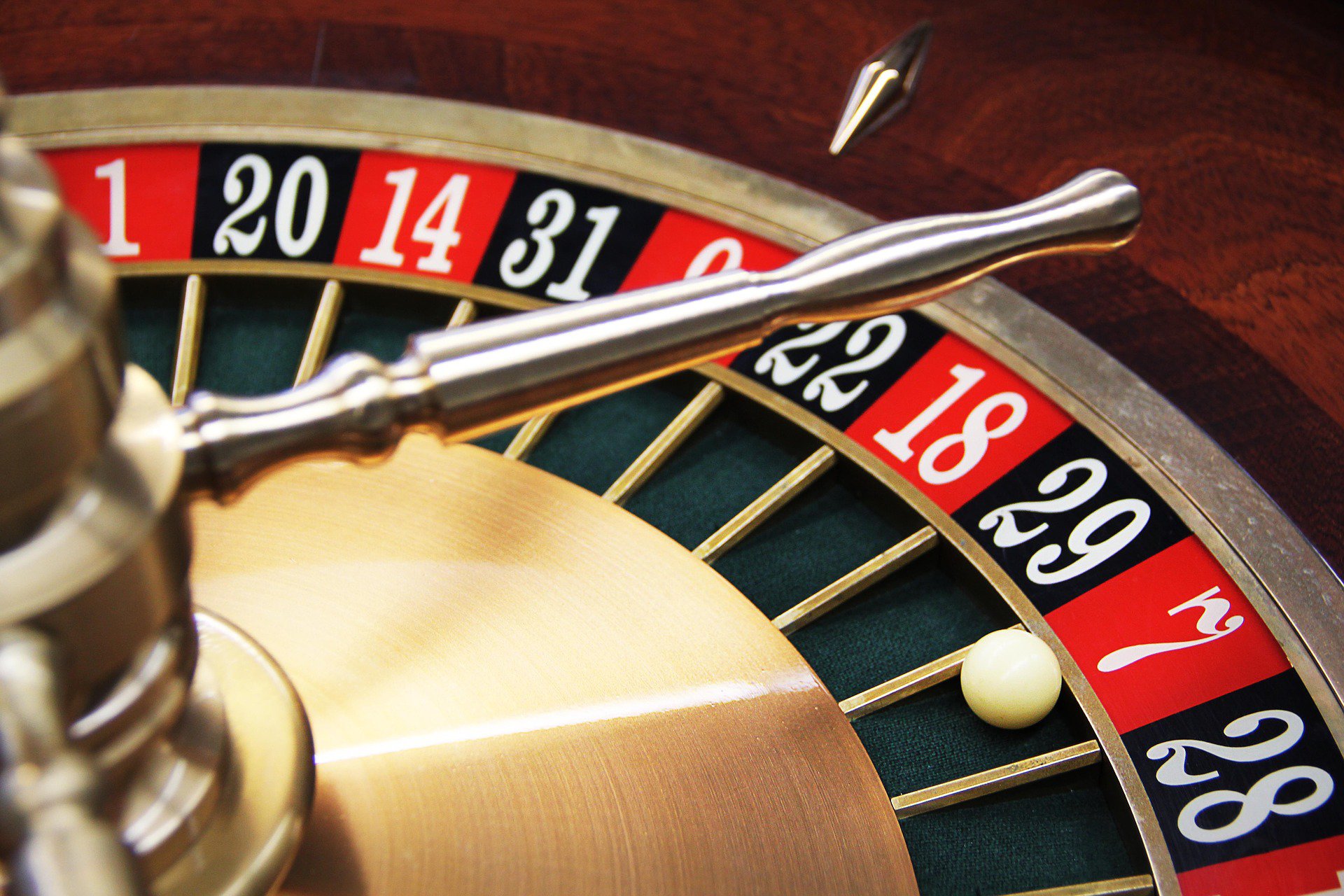
Gambling activates a complicated neurological response. When a person puts a bet, the brain releases dopamine, the same neurotransmitter linked to food, social connection, and other rewarding activities. The uncertainty of outcomes heightens this effect. Near-misses, for instance, can activate the brain almost as powerfully as a win, creating a powerful urge to continue. Over time, the brain may adapt and demand larger bets or more frequent play to experience the same level of excitement. This is not a character flaw; it is a normal biological reaction. Acknowledging this mechanism is the first step toward keeping in control. When players realize that the urge to keep going is chemically driven, they can replace impulsive decisions with intentional strategies. Knowledge becomes a defensive layer, permitting individuals to appreciate the game without being driven by unconscious impulses.
Equally important is the concept of cognitive distortion. Many gamblers slip into the trap of thinking they can foresee outcomes or that a losing streak must be succeeded by a win. This illusion of control can lead to progressively riskier behaviour. The reality is that most gambling activities are based on chance, and each outcome is independent of the last. A coin flip does not recall the previous result. When players embrace that no strategy can ensure a win, they are better positioned to set limits based on entertainment value rather than the expectation of profit. Understanding these psychological pitfalls creates a mental framework that values discipline over impulse. It transforms gambling from a potential source of stress into a controllable leisure activity that does not disturb with daily life.
The Function of Deposit and Wagering Limits
One of the most effective ways to keep control is to decide on a budget before playing and stick to it. Deposit limits allow players to choose a maximum amount of money they can transfer into their gambling account over a daily, weekly, or monthly period. This external barrier breaks the cycle of impulsive topping up. When the limit is reached, the system simply refuses further deposits, giving the player time to consider. Many platforms, including Wyns Casino, feature customizable deposit limit tools that can be adjusted downward instantly. Increasing limits, however, commonly involves a cooling-off period, which adds a deliberate pause before any decision to raise spending. This asymmetry is intended to protect players from emotional decisions made in the heat of the moment.
Wagering limits zeit.de extend this by limiting the amount a player can bet within a single session or over a defined period. These limits avoid the escalation of bet sizes that often takes place when someone attempts to recover losses quickly. Chasing losses is one of the most common paths to problematic gambling. By pre-setting a maximum wager, players eliminate the temptation to deviate from their plan. The key is to set these limits when thinking clearly, not during a session. Viewing the deposit as the price of entertainment, like a concert ticket or a dinner out, helps reframe the activity. When the budget is spent, the experience is simply over, and that acceptance is a pillar of responsible play.
Self-Exclusion as a Powerful Safety Net
Sometimes, despite the finest goals, a person may realize that temporary boundaries are inadequate. Voluntary self-ban is a more powerful mechanism that allows a user to willingly suspend access to their betting profile for a set duration, extending from several months to many years. Throughout this period, the account is frozen, and the company halts all promotional communications. This provides a full break from the betting environment, offering the person opportunity to reclaim mastery. Player exclusion is not a penalty; it is a proactive, courageous step that accepts the need for a new beginning. The decision can be taken directly through the system’s safe gaming area, and the process is designed to be simple and discreet.
For players who seek a more extensive shield, state-level voluntary self-ban programs exist in various regions, restricting access to various licensed providers at once. These programs are often complimentary and supported by supervisory bodies. The efficacy of player exclusion increases when integrated with other aid actions, such as restricting gambling-related tools on gadgets or obtaining therapy. It is crucial to see voluntary self-ban never as a defeat but as a calculated mechanism, akin to a breaker switch in an electrical network. It stops the flow before damage occurs. Wyns Casino processes voluntary self-ban requests promptly and offers unambiguous guidance about the method, making sure that users who opt for this option obtain the support they require without unnecessary hassle.
Where to Access Professional Assistance and Aid
When gambling starts to influence mental health, finances, or relationships, pursuing professional help is a indicator of strength. A broad variety of resources is available, from helplines and online chat services to face-to-face counselling and support groups. Organizations such as GamCare, Gambling Therapy, and Gamblers Anonymous deliver free, confidential support customized to the individual’s stage of change. These services are not confined to the person gambling; they extend to family members and friends who could be suffering the consequences. Trained advisors are able to assist create a personalized recovery plan, deal with underlying issues like anxiety or depression, and supply practical strategies for managing urges.
Many therapeutic approaches, including cognitive behavioural therapy, have been demonstrated to be effective in treating gambling disorder. Therapy assists individuals identify and reframe the distorted thoughts that fuel compulsive gambling, while also building healthier coping mechanisms for stress. In addition to emotional support, practical tools such as debt management advice and financial counselling can handle the material fallout. Wyns Casino guides users to these independent resources through its responsible gambling page, understanding that the platform’s role is not to offer therapy but to facilitate access to those who do. The help is available, and reaching out is the single most powerful step a person can take to reclaim control over their life and their future.
Spotting Early Warning Signs

Control is easiest to maintain when warning signs are detected early. These signs are hardly ever dramatic; they often surface as subtle shifts in behaviour. A player might commence thinking about gambling during work hours, experience restless when not playing, or begin hiding the extent of their activity from loved ones. Financial indicators encompass borrowing money to gamble, using funds designated for essentials, or feeling a need to recover losses immediately. Emotional cues such as irritability, guilt, or a sense of relief only when placing a bet are similarly telling. The key is to monitor these signals without judgment. Self-awareness is the foundation of change, and many people benefit from periodically checking in with themselves using a simple questionnaire.
Friends and family members can also take a role by noticing changes in a person’s mood, social withdrawal, or unexplained financial strain. Conversations about gambling should be handled with care, avoiding blame and focusing on concern. Wyns Casino provides access to self-assessment tests that aid individuals appraise their gambling habits discreetly. These tests query about frequency, spending, and emotional impact, supplying a confidential snapshot of where a person stands. Early intervention is considerably easier than repairing the damage from prolonged uncontrolled gambling. Spotting the signs is not about labelling oneself as an addict; it is about admitting that a course correction is needed, and undertaking that small step can prevent a cascade of more serious consequences.
Time Management with Reality Check Notifications and Play Duration Caps
Time can become distorted during gambling https://wyns-casino-de.de/responsible-gambling/. The immersive nature of games, combined with the psychological peaks and valleys of wins and losses, can turn hours into minutes. This is intentional; the more extended a session becomes, the more the mathematical casino advantage compounds. Defining session boundaries is therefore critical. Players can decide in advance how long they will play and utilize alerts or platform tools to enforce that boundary. Many responsible gambling features include a reality check: a screen notification that shows up after a predetermined duration, presenting the session duration, the amount wagered, and the net result. This simple interruption breaks the flow state and triggers a mindful judgment about whether to proceed or pause.
Stepping away from the screen delivers more than just a pause. It affords the brain time to reset and diminishes the emotional intensity that can lead to poor decisions. A short walk, a glass of water, or a talk with a family member can bring back clarity. Players who consistently employ session limits and reality checks often report feeling more satisfied with their gambling experience because they are actively choosing to play, rather than getting carried away. Wyns Casino incorporates such reality check features, permitting players to set reminders that nudge them toward conscious gaming. By viewing time as a resource to be managed, not an endless resource, individuals protect their relationships, work responsibilities, and mental health from the subtle encroachment of excessive play.
FAQ
What exactly is the purpose of setting a deposit limit?
A deposit limit caps the sum of money a player can move into their gambling account over a specified period. It acts as a financial guardrail, stopping impulsive spending during a session. By setting a maximum budget in advance, the player views gambling as paid entertainment. Once the limit is reached, the system halts further deposits, offering the individual time to regain perspective and avoid the trap of chasing losses with money they cannot afford to lose.
How does self-exclusion distinguish itself from a temporary break?
Self-exclusion is a formal, longer-term commitment that restricts access to a gambling account for a period of months or years, often with a minimum duration established by the operator. During this time, the account is not reopened, and marketing communications are ceased. A temporary break, or time-out, is a briefer pause that can last from a day to a few weeks. Self-exclusion is commonly used when a person realizes that a more substantial separation is required to reset behaviour patterns and regain control.
Am I able to still appreciate gambling if I use responsible gaming tools?
Absolutely. Responsible gaming tools are intended to enhance the experience by maintaining it within healthy boundaries, not to take away the enjoyment. Setting limits on time and money removes the stress of unintended overspending and allows players to focus on the entertainment value. Many people find that using these tools renders gambling feel more like a planned leisure activity and less like a compulsion. The goal is to safeguard the fun while avoiding the negative consequences that can emerge when boundaries are absent.
Where do I get help if gambling is affecting my mental health?
If gambling is causing distress, anxiety, or depression, confidential help is on hand. Organizations such as GamCare, Gambling Therapy, and local mental health services offer free counselling, helplines, and online support groups. These services are operated by trained professionals who recognize the challenges of gambling disorder. They provide a safe space to talk, practical coping strategies, and, if necessary, referrals to therapists concentrating in cognitive behavioural therapy. Seeking help is a brave step, and treatment is beneficial for many people.